Okapi Animal Kingdom
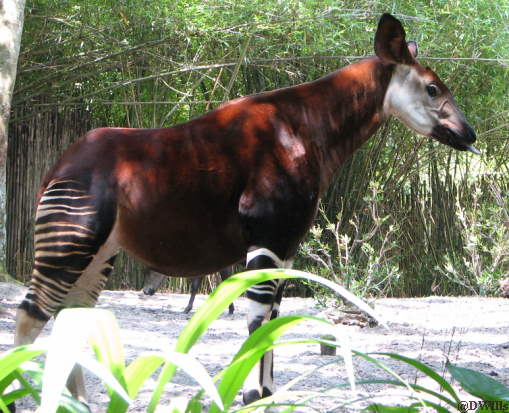
Currently there are five okapis that can be seen on the Kilimanjaro Safari ride or the Pangani Exploration Trail.
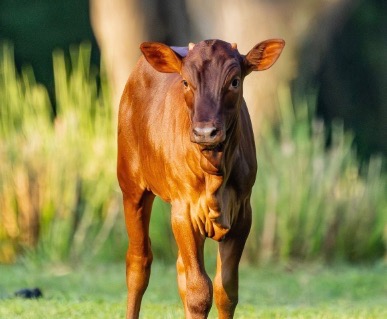
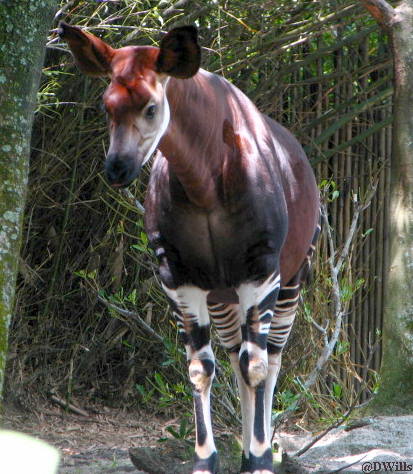 And soon, there will be seven! On July 3 and 30th, 2 female okapis were born. The first calf's mother was the very first okapi born at Animal Kingdom (December 20, 2001). Generally, new okapis will stand up within a half hour of their birth and will nurse within the first hour. They reach full size in about three years.

In Animal Kingdom the Okapi can be seen on both the Kilimanjaro Safaris as well at the Pangani Exploration Trail.
 Okapi are found in Zaire Africa. Okapis are sometimes thought of as relatives of the zebra due to their striped markings on their front legs and hind quarters and legs, however they are actually related to the Giraffe. Their tongue is long enough to lick their own eyes! They are bashful creatures and their markings allow them to hide in the tropical forests.
For more information on the Okapi, visit these websites:
http://www.sandiegozoo.org/animalbytes/t-okapi.html
http://www.colszoo.org/animalareas/aforest/okapi.html
http://diglib1.amnh.org/articles/okapi/okapi1.html